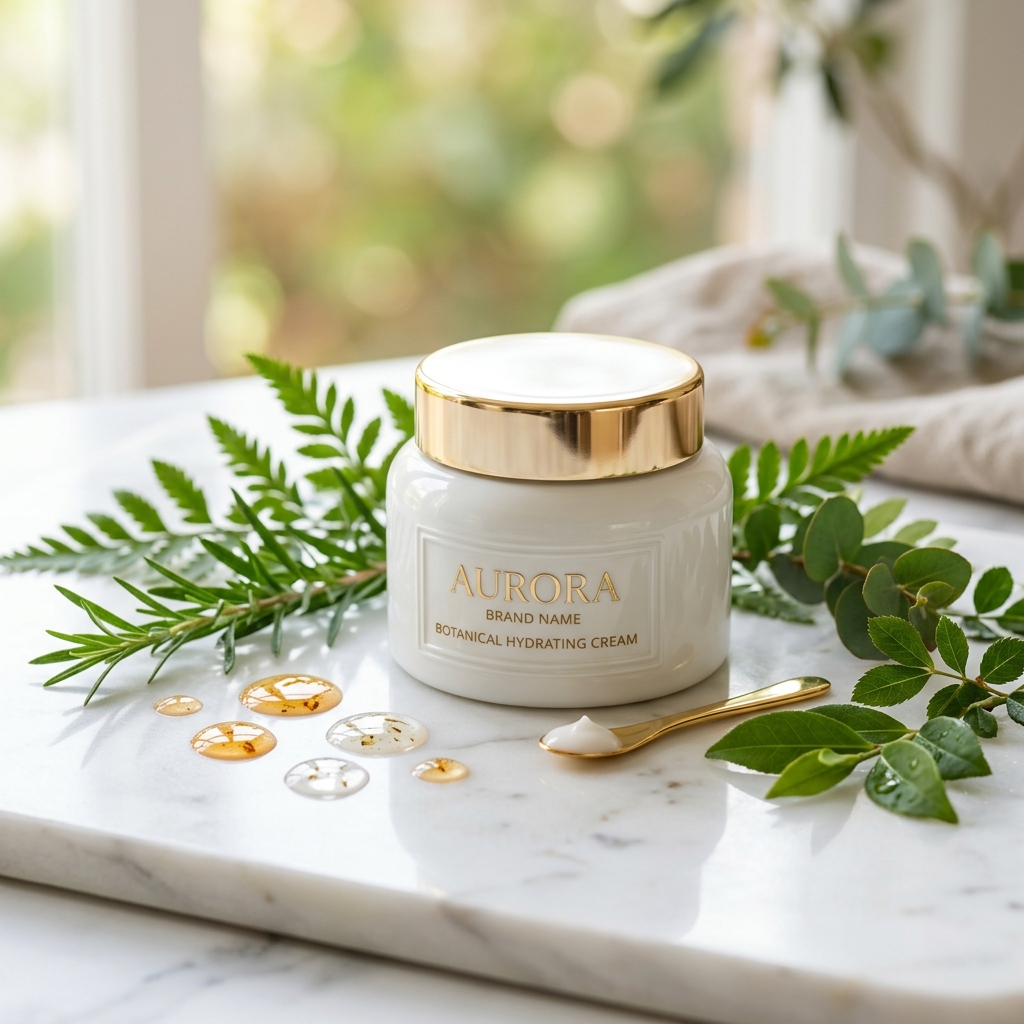
The demand for skincare, personal care, and beauty products is growing across Andhra Pradesh, creating opportunities for startups, retailers, distributors, healthcare businesses, and established brands to develop their own product ranges. However, launching a cosmetic product involves considerably more than choosing a formula and putting a brand name on the package.
A reliable cosmetic third party manufacturer in Andhra Pradesh can provide access to formulation expertise, manufacturing infrastructure, quality-control systems, packaging support, and production capabilities without requiring a brand to establish its own factory.
For businesses exploring third party manufacturing cosmetics, it is important to evaluate the manufacturer’s technical capabilities, applicable licenses, quality systems, formulation experience, documentation, production capacity, and ability to maintain batch-to-batch consistency.
Wintrust supports brands serving the Andhra Pradesh market with manufacturing and product-development capabilities across skincare, haircare, personal care, and related cosmetic categories.
What Is Third-Party Cosmetic Manufacturing?
Third-party cosmetic manufacturing is a business arrangement in which a brand outsources the manufacturing of its products to an established manufacturing company.
The brand generally provides the product requirements, target market, packaging preferences, and commercial specifications, while the manufacturer manages activities such as formulation, sourcing of ingredients, production, filling, quality checks, and packaging according to the agreed specifications.
This approach can be useful for businesses that want to introduce cosmetic products without investing in manufacturing infrastructure.
A typical project may involve:
- Product and market requirement analysis
- Formulation selection or development
- Ingredient and raw-material sourcing
- Product sampling
- Stability and quality evaluation
- Packaging selection
- Commercial manufacturing
- Filling and labeling
- Batch documentation
- Finished-product quality checks
- Dispatch and logistics coordination
The exact process depends on the product category, formulation, packaging, market, and applicable regulatory requirements.
Why Work With a Cosmetic Manufacturer in Andhra Pradesh?
Manufacturing cosmetics independently requires suitable premises, equipment, trained personnel, quality systems, raw-material sourcing, documentation, and regulatory processes. For many growing brands, establishing this infrastructure may not be commercially practical at the beginning.
Working with an experienced cosmetic manufacturer in Andhra Pradesh can allow a business to concentrate on product positioning, sales, distribution, and customer acquisition while the manufacturing partner handles the production side.
Lower Infrastructure Requirements
A brand does not necessarily need to establish its own production plant to enter the cosmetics market. Outsourcing production can reduce the initial infrastructure investment associated with manufacturing.
Access to Technical Expertise
Cosmetic formulations require appropriate knowledge of ingredients, processing methods, preservation, packaging compatibility, stability, and quality control. An experienced technical team can help identify practical formulation and production requirements.
Product Development Support
Manufacturers with established R&D capabilities can support the development or adaptation of products according to the desired texture, fragrance, ingredients, packaging, price point, and target consumer.
Scalable Production
Once a product gains market acceptance, production volumes can be increased according to manufacturing capacity, minimum order requirements, raw-material availability, and commercial planning.
Third Party Manufacturing Cosmetics in Andhra Pradesh: How the Process Works
Choosing a manufacturer should be based on a clear production process rather than promotional claims. A typical manufacturing project follows several stages.
1. Understand the Product Requirement
The first step is to define what the product needs to achieve.
For example, a brand developing a face serum may need to specify the target skin type, key ingredients, preferred texture, fragrance requirements, packaging format, expected price range, and target market.
A clear product brief helps the manufacturer determine whether an existing formulation can be adapted or whether a new formulation is required.
2. Formulation & R&D
The formulation stage determines the composition and characteristics of the final product.
Depending on the project, manufacturers may work with established formulations or develop a product according to specific requirements. Ingredient compatibility, preservation, texture, fragrance, appearance, packaging compatibility, and product stability all need to be considered.
Claims such as “organic,” “natural,” “dermatologically tested,” or specific performance claims should only be used when they can be appropriately supported.
3. Sample Development
Before commercial production, samples should be reviewed and approved.
Brands should assess factors such as:
- Texture and consistency
- Colour and appearance
- Fragrance
- Skin feel
- Packaging compatibility
- Product performance
- Label and ingredient information
Sample approval should be documented so that the commercial batch can be manufactured against an agreed specification.
4. Quality & Stability Evaluation
Quality control is an essential part of cosmetic production. Depending on the formulation and product category, testing may include physical and chemical parameters, microbiological evaluation, stability assessment, and other appropriate quality checks.
Stability evaluation helps determine how a formulation behaves under defined storage conditions over time. Packaging compatibility is also important because the container can interact with the formulation or affect its protection from environmental factors.
5. Commercial Manufacturing
Once the formulation, specifications, packaging, and other requirements are finalized, the product can move into commercial production.
Manufacturing controls should cover raw-material identification, weighing, processing, filling, packaging, batch identification, and finished-product checks.
Maintaining consistent production parameters is important for ensuring that subsequent batches remain comparable to the approved product.
6. Documentation & Dispatch
Manufacturing documentation provides traceability throughout the production process. Depending on the product and applicable requirements, documentation can include batch records, specifications, test reports, raw-material records, packaging details, and other relevant quality documents.
After final quality checks and packaging, finished goods can be dispatched to the brand’s warehouse or designated distribution location.
Choosing Third Party Cosmetic Manufacturers in Andhra Pradesh
There are many factors to consider when comparing third party cosmetic manufacturers in Andhra Pradesh. The lowest quotation is not necessarily the most suitable option.
Before placing an order, businesses should evaluate:
Manufacturing Licenses & Applicable Compliance
Ask the manufacturer for details of the licenses and registrations applicable to the products being manufactured. Requirements can vary according to product type and the market in which the products will be sold.
Manufacturing Infrastructure
Review the manufacturing facility, production equipment, hygiene practices, storage arrangements, and quality-control infrastructure where possible.
R&D Capability
A manufacturer with an experienced formulation team can be more useful when a business requires product customization rather than simply purchasing an existing formulation.
Quality-Control Procedures
Ask how raw materials, in-process materials, packaging components, and finished products are checked and documented.
Minimum Order Quantity
MOQ can significantly affect the economics of a new cosmetic brand. Clarify minimum quantities before approving a formulation or packaging design.
Lead Times
Confirm realistic timelines for sampling, formulation development, packaging procurement, production, quality checks, and dispatch.
Product Documentation
Ask which technical and quality documents will be provided with the finished products and whether additional documentation is available for the intended market.
Cosmetic Products Manufacturer in Andhra Pradesh for Different Product Categories
A manufacturing partner may support several categories rather than specializing in only one type of cosmetic product.
Common categories include:
Skincare
- Face wash
- Cleansers
- Face creams
- Moisturizers
- Face serums
- Sunscreens
- Face masks
- Toners
- Body lotions
Haircare
- Shampoo
- Conditioner
- Hair oil
- Hair serum
- Hair masks
- Scalp-care products
Personal Care
- Bath products
- Body care
- Hand care
- Hygiene products
- Personal-care formulations
Herbal & Ayurvedic Products
Businesses interested in herbal or Ayurvedic products should discuss the applicable product category, ingredients, manufacturing requirements, claims, and documentation with the manufacturer before development begins.
Not every “natural” or herbal product automatically qualifies for a particular certification or regulatory category. Claims and certifications should be supported by appropriate documentation.
Private Label Cosmetic Manufacturers in Andhra Pradesh
Private-label manufacturing allows a business to market a cosmetic product under its own brand while production is handled by a manufacturing partner.
The process generally includes selecting or developing the formulation, finalizing the product specifications, choosing packaging, preparing artwork and labeling information, manufacturing the approved batch, and arranging finished-product delivery.
When evaluating private label cosmetic manufacturers in Andhra Pradesh, brands should look beyond packaging options. The manufacturer’s formulation capabilities, quality systems, documentation, production capacity, MOQ, and ability to maintain consistent product specifications are equally important.
A strong private-label relationship should provide clear responsibilities for both the brand and manufacturer, particularly regarding product specifications, artwork approval, regulatory responsibilities, quality requirements, and delivery timelines.
Contract Manufacturers for Cosmetics in Andhra Pradesh
Businesses searching for contract manufacturers for cosmetics in Andhra Pradesh may have different requirements depending on their stage of growth.
A startup may need small-scale product development and guidance on formulation and packaging, while an established brand may require larger production volumes, multiple SKUs, repeat manufacturing, and supply-chain coordination.
Before entering into a manufacturing arrangement, it is advisable to establish:
- Product specifications
- Approved formulation
- Packaging specifications
- MOQ
- Pricing
- Production lead time
- Quality requirements
- Testing requirements
- Documentation
- Delivery terms
- Responsibilities of the manufacturer and brand
Clearly defining these points can reduce misunderstandings during production.
Cosmetic Distributors in Andhra Pradesh: What Manufacturers Should Consider
Manufacturing and distribution are different parts of the cosmetic supply chain.
Businesses working with cosmetic distributors in Andhra Pradesh should consider factors such as product shelf life, packaging durability, storage conditions, batch traceability, inventory planning, and delivery requirements.
A manufacturer can produce the product, but successful distribution also depends on appropriate warehousing, transportation, stock rotation, demand forecasting, and channel management.
For brands entering the Andhra Pradesh market, understanding the expected sales channels—such as pharmacies, cosmetic retailers, e-commerce platforms, salons, clinics, supermarkets, or distributors—can help determine the appropriate product format and packaging strategy.
How to Evaluate a Cosmetics Manufacturing Company in Andhra Pradesh
A Cosmetics Manufacturing Company in Andhra Pradesh should be evaluated using verifiable information rather than relying only on website claims.
Consider asking for:
- Applicable manufacturing licenses and registrations
- Quality certifications relevant to the facility
- Product-specific documentation
- Details of the formulation and R&D process
- Quality-control procedures
- Sample-development process
- MOQ and production capacity
- Typical manufacturing lead times
- Packaging options
- Batch documentation and testing reports
- References or evidence of relevant manufacturing experience
Where certifications are claimed, businesses should verify the certification scope, validity, and issuing organization.
Beauty Product Manufacturers in Andhra Pradesh: Product Development Considerations
The market for beauty products is becoming more segmented. Customers increasingly look for products designed around specific concerns, ingredients, skin types, hair types, routines, and price points.
For beauty product manufacturers in Andhra Pradesh, this means product development needs to consider both technical performance and consumer expectations.
A well-developed product should have:
- A clearly defined target consumer
- A practical formulation
- Suitable packaging
- Appropriate quality specifications
- Accurate ingredient and labeling information
- Supportable product claims
- Suitable shelf-life expectations
- A commercially viable cost structure
For brands, this approach is generally more sustainable than launching products solely around short-term ingredient trends.
Product Range Available Through Cosmetic Manufacturing
Depending on manufacturing capabilities and formulation requirements, brands can explore products such as:
Face Wash
Designed to remove dirt, excess oil, and daily impurities while maintaining the desired skin feel.
Face Serum
Concentrated formulations can be developed around specific cosmetic ingredients and consumer concerns, with the formulation and claims determined according to the intended product.
Moisturizer & Body Lotion
Hydrating products can be formulated with different textures and ingredient combinations for various consumer preferences.
Sunscreen
Sunscreen development requires particular attention to formulation, testing, packaging, labeling, and applicable regulatory requirements. Product claims should be supported by appropriate testing and documentation.
Shampoo & Conditioner
Haircare products can be developed for different hair types and consumer requirements, with formulation choices influencing cleansing, conditioning, texture, fragrance, and after-use feel.
Hair Oil & Hair Serum
These products can be developed using combinations of oils, botanical ingredients, conditioning agents, and other suitable cosmetic ingredients depending on the intended positioning.
Why Wintrust for Cosmetic Manufacturing?
Wintrust provides cosmetic, skincare, haircare, and personal-care manufacturing support for brands looking to develop and produce their own product ranges.
Our approach focuses on combining formulation development, manufacturing infrastructure, quality control, packaging coordination, and production planning.
For businesses considering manufacturing partnerships, the objective should not simply be to find a supplier. The right partner should be capable of producing the agreed formulation consistently, maintaining appropriate quality systems, providing relevant documentation, and supporting the product through its manufacturing lifecycle.
Wintrust can work with businesses at different stages—from new product development and private-label launches to larger-scale production requirements.It is a manufacturing arrangement where a brand outsources the production of its cosmetic products to an external manufacturer. The manufacturer may provide formulation, raw-material sourcing, production, filling, quality control, packaging, and related services depending on the agreement.
Yes. Outsourced manufacturing can be suitable for startups because it allows them to access established production infrastructure without establishing their own factory. However, startups should carefully evaluate MOQ, product development costs, packaging costs, regulatory requirements, and working-capital requirements.
Depending on the manufacturer's capabilities, products may include skincare, haircare, body care, personal care, herbal, Ayurvedic, and other cosmetic products.
Compare manufacturers based on applicable licenses, manufacturing infrastructure, R&D capabilities, quality-control systems, product documentation, MOQ, production capacity, lead time, packaging capabilities, and relevant experience.
They can overlap but are not necessarily identical. Private-label manufacturing generally refers to producing products that are sold under a customer's brand, while third-party manufacturing broadly describes outsourcing production to another manufacturing company. The exact services and responsibilities depend on the commercial arrangement.
Before confirming production, review the approved formulation, product specifications, packaging, MOQ, pricing, testing requirements, documentation, manufacturing timeline, payment terms, and delivery conditions. It is also advisable to obtain and approve a representative product sample before commercial production.
Far far away, behind the word mountains, far from the countries Vokalia and Consonantia, there live the blind texts. Separated they live in Bookmarksgrove right at the coast